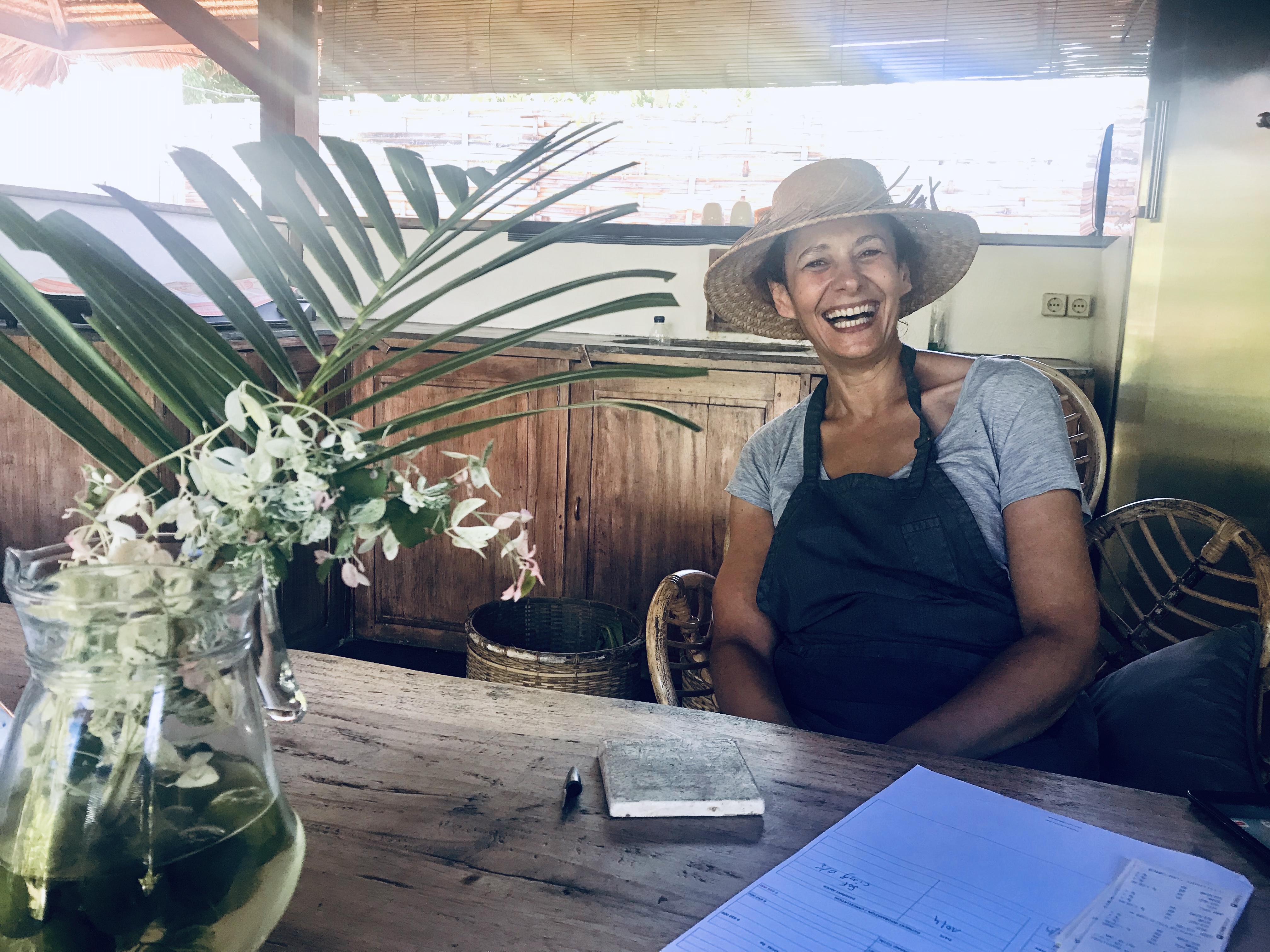
Why The People You Meet Are What Make Travel Unforgettable
Travel changes the way you look at the world, but more importantly, it changes the way you look at people.
When most of us first start traveling, we focus on destinations. We obsess over beaches with impossibly clear water, hidden islands, mountain towns, and all the places that seem far removed from normal life. We chase that feeling of escape, the sense that somewhere out there exists a version of life that feels lighter and freer than the routines we leave behind.
And sometimes we find it.
But after enough trips, I started noticing something interesting. The places I remembered most vividly were rarely just about the scenery. They were about the people I met there.
A tiny café owner in Mexico who spent twenty minutes explaining the best local dishes to try. A couple I met on a ferry in Thailand who convinced me to completely change my travel route. A stranger in Bali who turned into a friend after one random conversation about travel plans.
The older I get, the more I realize paradise is rarely just a place. It’s usually the feeling of connection attached to it.
Travel Makes Conversations Feel Different
At home, life tends to move on autopilot. People stick to routines, familiar social circles, and predictable schedules. But when you travel, especially alone, you become much more open to interaction.
You ask more questions.
You notice people more.
And strangely enough, other travelers tend to be more willing to open up too. Maybe it’s because everyone is slightly outside their comfort zone. Maybe it’s because travel strips away some of the social walls people normally keep up.
Whatever the reason, conversations on the road often feel more genuine than conversations back home.
Shared Values Matter More Than Shared Geography
One thing travel teaches you quickly is that geography matters less than mindset.
Some of the people I’ve connected with most deeply grew up on the opposite side of the world. What mattered wasn’t where they were from, but how they approached life. Curiosity, openness, faith, adventure, kindness — those things create connection much faster than location ever does.
That’s one reason so many travelers gravitate toward communities built around shared values rather than simply shared proximity.
In recent years, technology has made those communities easier to find. Some people connect through travel groups or online forums, while others join platforms centered around faith or lifestyle.
One example is SALT, a Christian dating app designed for people who want faith to be central to their relationships. The app connects users internationally and allows people to search globally, which feels surprisingly natural in a world where friendships and relationships increasingly stretch across borders.
Features like Online Now help users connect in real time, while live Table events create spaces for conversations about faith, relationships, travel, and everyday life.
For people who spend time moving between countries or exploring unfamiliar places, that sense of shared community can feel grounding.
The Real Meaning of Paradise
Travel blogs often talk about finding paradise as though it’s a physical destination. A hidden island. A quiet beach. A perfect sunset somewhere far from crowds.
And yes, those places exist.
But the longer I travel, the more I think paradise has less to do with the destination itself and more to do with how a place makes you feel.
Sometimes paradise is a beach in Thailand.
Sometimes it’s a tiny town in Mexico.
And sometimes it’s simply sitting across from someone who understands the way you see the world while the sun disappears into the ocean behind you.
That’s the kind of memory that stays with you long after the flight home.


You May Also Like
The Joy of Vacation Prep: Why Planning Can Be Half the Fun
The Best Pacific Northwest Road Trip from Portland: Routes, Stops, and How to Plan Yours