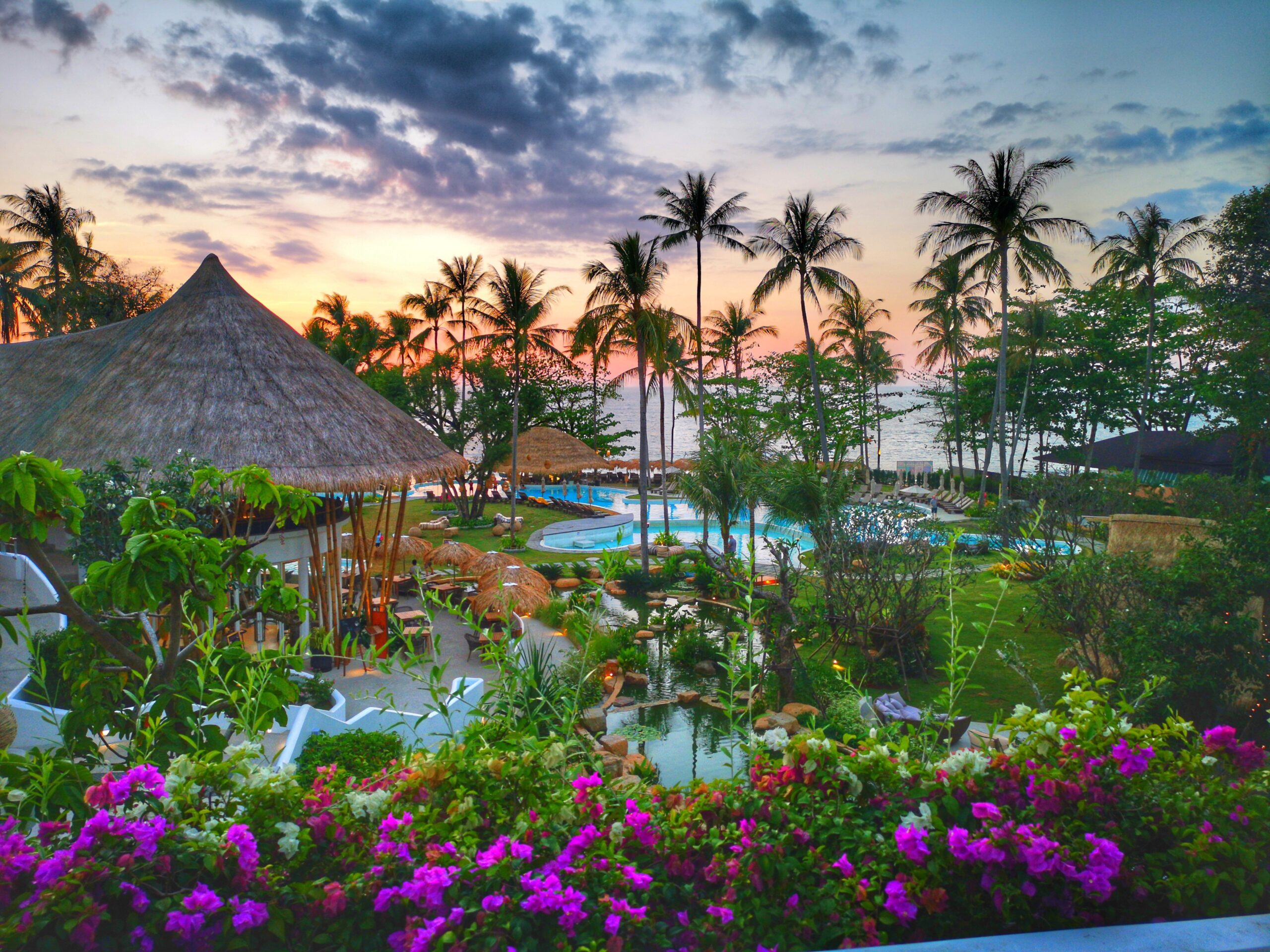
Why High-End Travelers Matter So Much to Resorts
In 2026, luxury tourism has become one of the fastest growing and most profitable segments in the global travel industry. In this context, high-end travelers such as high-net individuals, VIP casino players and premium experience seekers represent one of the influential segments in global tourism. Although they make up a small fraction of total visitor volume, their spending power and loyalty give them an outsized impact on resort profitability. Integrated resorts, especially those anchored by casinos, are uniquely positioned to capture this audience, as seen in global tourism powerhouses like Las Vegas and Macau. This article will explore why high-end travelers are so valuable and how casinos play a central role in attracting and retaining them.
The Power of High-End Travelers
High-end travelers are those with a preference for exclusivity and personalized service. For example, they could be guests with excess wealth who want private, seamless and luxurious experiences. In the context of casinos, these individuals could be VIP casino players who seek private gaming salons, premium tables and invitation-only events. When choosing where to stay, they opt for those resorts that promise them exceptional service and premium amenities that go beyond the basics to feel recognized and valued.
Being a high-end traveler is not just a fancy title; they are also recognized for their ability to generate significant revenue across multiple verticals. In fact, in many integrated resorts, a small percentage of VIP guests can account for a large share of total income. This is because high-stakes tables and VIP rooms are known for producing the majority of casino revenue. For example, in markets like Macau, VIP baccarat has contributed more than half of gaming turnover. In turn, when these types of travelers feel recognized and valued, they are more likely to come back, and businesses actively invest in loyalty programs and one-time promotions. Their spending also extends to accommodation where they splash out on suites, penthouses and villas with elevated rates as well as fine dining, retail and entertainment. As a result, resorts priorities these high-value travelers because their spending is essential to long-term profitability.
The Central Role of Casinos in Attracting VIPs
Casinos and high-end travelers seem to go hand in hand because VIPs are attracted to the gaming experience with the possibility of private gaming salons with personalized service, high-limit tables and VIP services such as priority reservations. Major operators like MGM Resorts International and Las Vegas Sands have built their reputation on their ability to deliver world-class gaming environments.
Additionally, gaming revenue also underpins the broader resort offerings. High-end travelers visit casinos abroad because modern gaming destinations offer complete entertainment experiences that go far beyond gambling tables and slot machines. To satisfy these high-end travelers, integrated resorts have invested heavily in personalized service including concierge/butler services, custom travel and event planning and exclusive access to shows, restaurants and elite experiences to make them feel understood and drive loyalty. The integrated resort model brings together hotels, casinos, dining, retail and entertainment in one seamless environment that boosts guest spending, with destinations like Singapore showing how it can also raise global appeal and drive economic impact.
Competition from Digital and Online Gaming
High-end hotels across Canada rely heavily on wealthy tourists seeking luxury experiences, premium entertainment, and exclusive hospitality. Casinos are often a major attraction for these high-spending visitors, helping resorts generate significant revenue beyond accommodation alone. However, many luxury hotels now face growing competition, as a person can find the highest payout online casinos in Canada substantial rewards, and decide to play there. To remain competitive, hotels increasingly provide casino comps, VIP perks, complimentary stays, and tailored incentives to attract and retain affluent players.
New technological developments, such as VR gaming, AR apps, and smartphone integration, have completely changed the way gamblers interact with casino games. However, physical resorts still retain appeal as they create sensory-rich experiences that cannot be fully replicated by digital platforms. To maintain loyalty, resorts rely on VIP programs and rewards, exclusive invitations, private experiences and top-notch customer service to ensure repeat visits. It’s also important to recognize that high-end travelers can be on the receiving end of external pressure. Therefore, resorts must navigate economic downturns that reduce luxury travel, global competition from other destinations and regulatory factors around gaming operations. In this context, diversification beyond gaming revenue will be essential for long-term resilience. Interestingly, platforms like Casino Guru play a critical role in helping resorts understand and optimize high-value guest behavior. By tracking player activity, analyzing cross-vertical revenue and identifying trends in luxury travel, these tools enable operators to make smarter, more strategic decisions.
Final Thoughts
In conclusion, high-end travelers are critical to resort profitability due to their disproportionate spending and long-term value. Casinos such as those in regions like Macau and Singapore play a central role in attracting and monetizing this audience. Although there is more competition from digital casino platforms, the future lies in balancing luxury, personalization and evolving digital competition. So, if you are looking for a new country to explore or a new casino and are interested in the link between high-end travelers and the changing casino gaming landscape, why not explore how data and strategic insights can help optimize high-value customer engagement?



You May Also Like
Where to Stay in Los Cabos: 7 Boutique Hotels That Make Baja Feel Unforgettable
Train Travel-The One Thing You Must Do In Sri Lanka