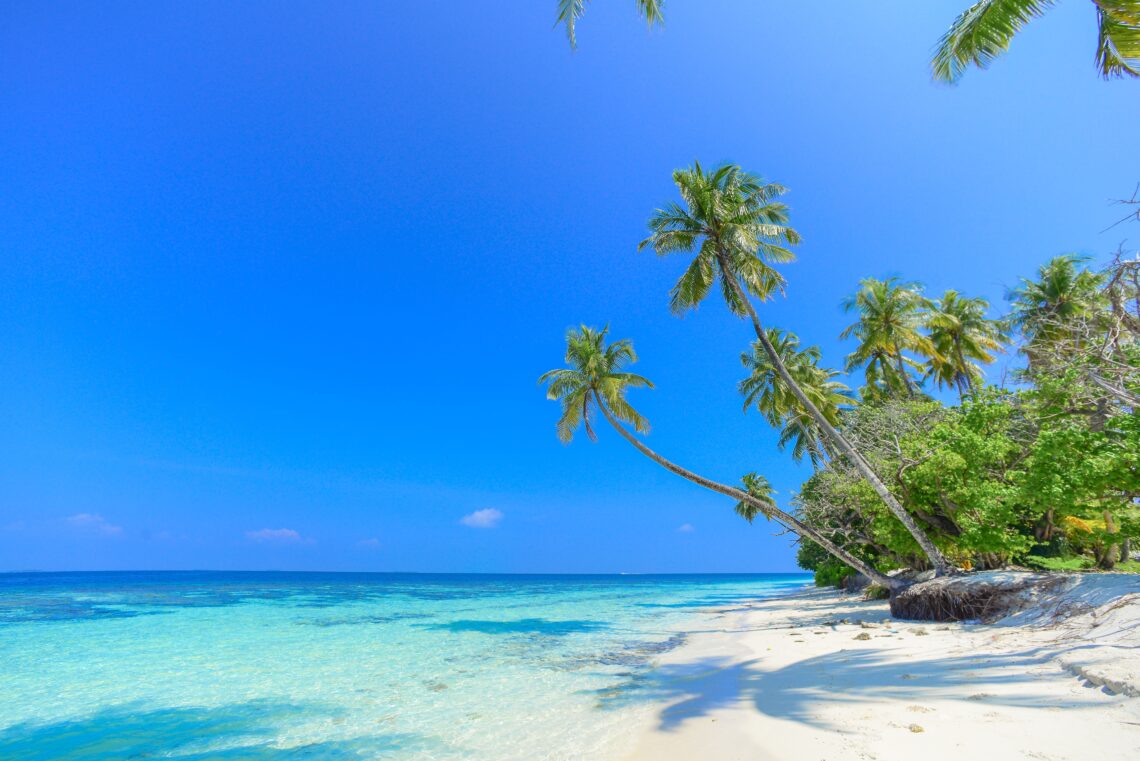
How to Find Your Own Paradise on Vacation
For some people, paradise means waking up steps from a beach and having nowhere to be until dinner. Or it might involve wandering around a new city and finally seeing a place you’ve had saved on your phone for years.
When you start planning around what you actually enjoy, rather than what a perfect trip is supposed to look like, it becomes much easier to come home feeling like your time away was well spent.
Decide what paradise means to you
Before you choose a destination, think about the moments you’ve enjoyed most on previous trips. Perhaps you loved swimming before breakfast or having a good hotel to return to after a full day out.
Use those memories to work out what you want more of this time. You might realize that a small coastal town suits you better than an isolated resort because you still want restaurants within walking distance.
If you enjoy museums and local neighborhoods, you may get more from a city break with a couple of relaxed days added on than a week beside a pool.
Look beyond the obvious destinations
Doing a bit of research can help you find somewhere that offers the things you care about without some of the compromises that come with heavily visited spots.
If the Amalfi Coast appeals but busy roads and packed towns don’t, for example, you could find less obvious stretches of the Italian coast.
Start with the experience that attracted you to a famous destination, such as swimming, architecture or access to the countryside, then look for places in the UK and further afield that offer something similar.
Combine comfort with exploration
Building in some comfort can actually make exploring more enjoyable because you spend less of your holiday dealing with transport and logistics.
A journey with Regent seven seas cruises, for instance, can give you a comfortable base while taking you between different destinations. On land, you can use the same principle by staying somewhere central and taking day trips rather than changing hotels every other night.
Make food part of the experience
Food can tell you a surprising amount about a place, which may explain the growing interest in food-focused travel.
Try mixing restaurants you’ve researched with places you discover once you arrive. A local market can show you which ingredients are in season, while asking a hotel employee where they eat may lead you somewhere you wouldn’t have found through a generic online search.
Allow yourself to slow down
Give yourself enough time to stay when somewhere catches your attention. That might mean spending an extra hour over lunch or abandoning an attraction because you’d rather keep exploring the neighborhood you’re already in. Leaving some room in your plans gives you the chance to enjoy the moments you couldn’t have scheduled before you arrived.


You May Also Like

Pictures of Gili Trawangan

The Credits: Meet Tinmyint From Yangon, Myanmar
