National Park Road Trips: Exploring America’s Natural Wonders
America’s scale can make a park itinerary look exciting on a map and exhausting from the driver’s seat. Distances that appear manageable often become long driving days once fuel stops, seasonal closures, and park traffic enter the equation. This tension is particularly noticeable when comparing southern Utah with the Greater Yellowstone area.
Each region presents different questions about mileage, lodging, and time inside the parks. Meanwhile, high-elevation roads in places such as Glacier National Park can limit when a route is possible. These differences shape every part of a journey, from the number of parks included to where travelers sleep each night.
Routes That Group Parks Without Wasting Miles
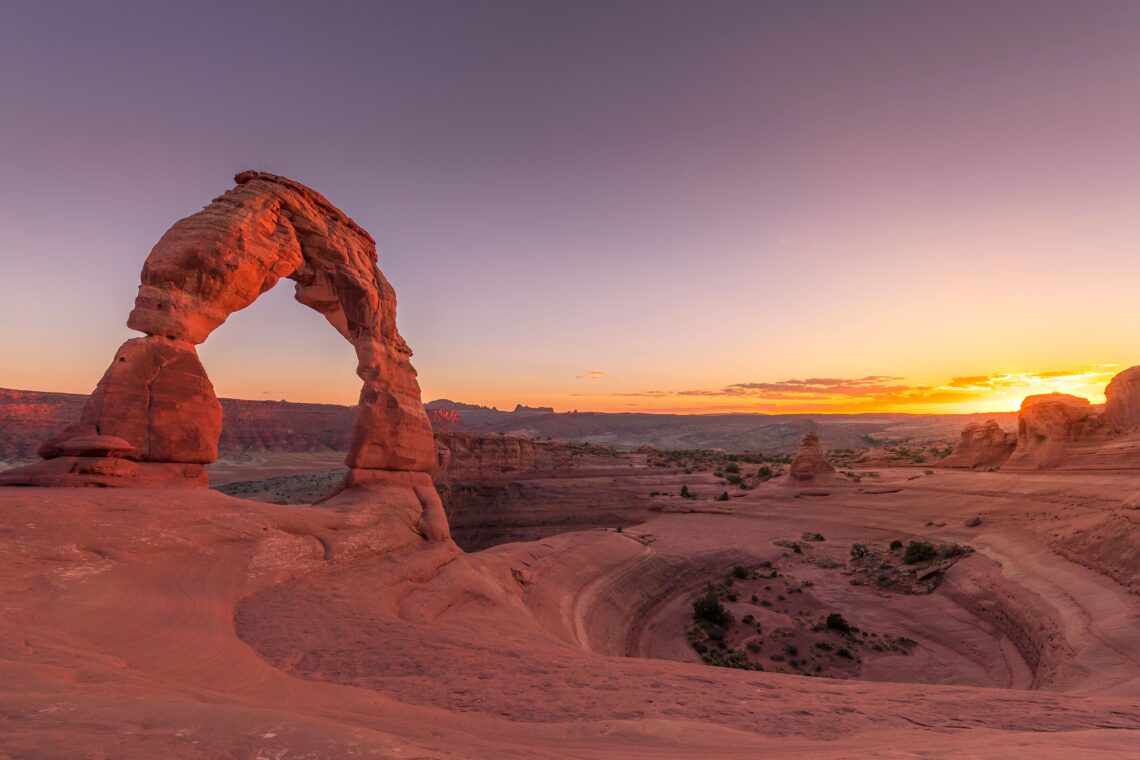
Utah’s Mighty 5 is the country’s tightest major cluster, covering five parks in roughly 400 to 500 driving miles. A 10-to-14-day Grand Circle from Las Vegas can connect Zion National Park, Grand Canyon National Park, and Arches National Park without becoming a daily slog. A California to Arizona itinerary offers another regional approach.
Greater Yellowstone connects Yellowstone National Park and Grand Teton with about 60 miles of road. By contrast, a contiguous-states park circuit exceeds 14,000 miles and needs at least two months. Glacier National Park’s Going-to-the-Sun Road, the Grand Canyon’s South Rim, Arches, and Badlands reward scenic driving. However, Olympic National Park’s scattered districts and Yosemite National Park during shuttle season require more complicated logistics.
Where You Sleep and What You Tow
In-park lodges and campgrounds often release bookings six months to a year ahead, and popular dates can disappear within minutes. As a result, many itineraries rely on a gateway town. Staying two or three nights in Springdale for Zion National Park, Moab for Arches National Park and Canyonlands, West Yellowstone, or Whitefish for Glacier National Park cuts more driving than shaving a few miles from the route.
The sleeping setup also determines which sites remain available. Tents fit almost anywhere, truck campers preserve maneuverability, and motorhomes provide more living space but face tighter restrictions. Many campground loops cap rigs at roughly 25 to 32 feet, so shoppers comparing hundreds of units in stock should check exterior length against park campground limits before weighing other travel-trailer features. Towing length requires verification before booking, not after arriving.
Timed Entry and the Seasons That Open Roads
A timed-entry reservation can determine the order of an entire route. Glacier, Rocky Mountain, Arches, and Yosemite have used vehicle or timed-entry systems requiring travelers to secure arrival windows, especially at America’s most popular parks. Entrance fees and reservations remain separate.
Seasonal road closures create an even firmer boundary. The alpine section of Going-to-the-Sun Road generally does not open until late June or early July, although snowfall, plowing progress, and weather determine the date. Trail Ridge Road follows a similar high-elevation pattern, making a June Rockies journey different from an August trip.
The calendar reverses in the Southwest. July and August bring severe heat to Arches, Zion, and Death Valley, so spring or fall generally offers the best season to visit desert parks, while alpine routes work best in midsummer. An America the Beautiful pass typically pays for itself after roughly three parks, but it does not cover timed-entry bookings.
Pacing, Fuel, and the Dead Zones in Between
The 3-3-3 rule means driving no more than 300 miles per day, arriving by 3 p.m., and staying at least three nights. It balances distance and driving time with the number of days needed. A midafternoon arrival also leaves daylight for setting up, taking a short walk, and catching sunset along a scenic drive.
Connectivity disappears quickly across southern Utah, the Dakotas, and much of Montana. Accordingly, offline maps, downloaded park information, lodging details, and reservation confirmations should be stored before departure.
Fuel requires the same preparation. Gaps of 70 to 100 miles are normal on remote Southwest and Montana roads, making a half-tank refill the safer default. Rest days every third or fourth driving day also keep the trip from becoming uninterrupted transit.
Choosing the Route That Fits Your Time
A successful national park road trip is not the itinerary with the most entrance signs. Instead, it matches available days to realistic distances, seasonal access, and enough time outside the vehicle. Fewer parks with two or three nights at each usually deliver more than a checklist run dominated by highways, fuel stops, and late arrivals.


You May Also Like

Being A Temple Instead Of Visiting Temples-My Visit To An Orphanage In Sri Lanka

Belize Food-Ambergris Caye and Caye Caulker