How to Enjoy Local Food Adventures Without Overlooking Food Safety
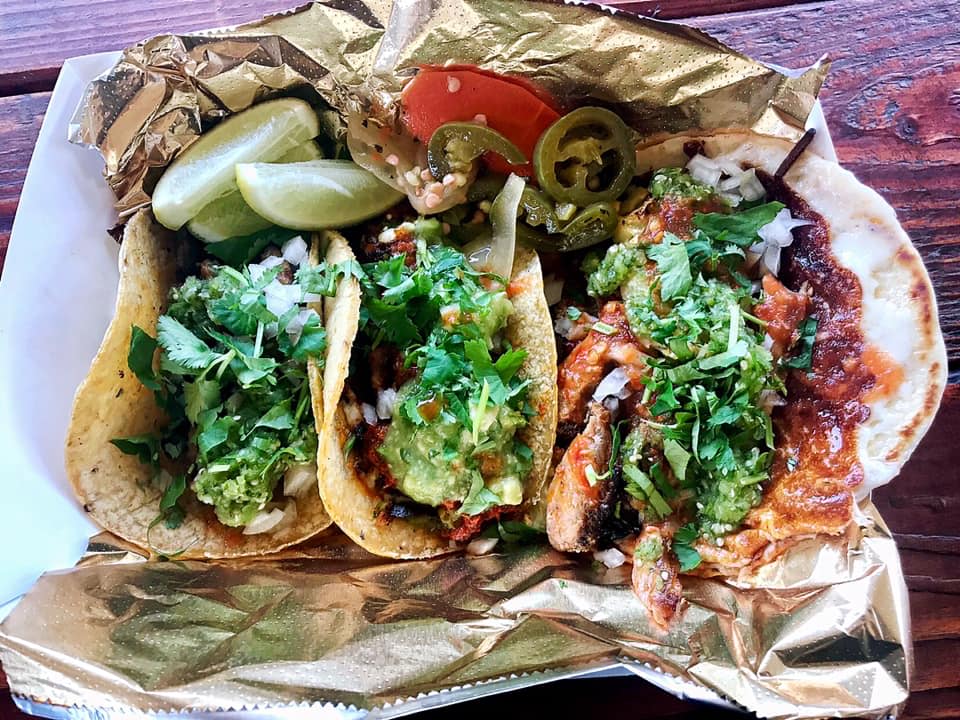
Traveling through a new town, visiting a farmers market, or trying a family-run restaurant can turn an ordinary day into a memorable food adventure. Local foods reveal culture, history, and personality in ways guidebooks rarely can. Whether you are sampling street tacos, buying fresh berries, or ordering the catch of the day, the goal is to enjoy every bite while staying mindful of basic safety habits.
Food safety should travel with your sense of adventure. News about events such as the Taylor Farms salad kits recall reminds diners that even familiar foods can carry risks when handling, storage, or supply chains break down. That does not mean you should avoid local eating experiences; it means you should make smart choices, ask good questions, and pay attention to freshness, cleanliness, and temperature.
Start With a Little Research
Before visiting a local restaurant, market, or food truck, take a few minutes to check recent reviews, health inspection scores, and social media updates. Many cities and counties publish inspection results online, making it easy to see whether a business has a pattern of safe practices. Reviews can also reveal useful details, such as whether food is served hot, ingredients seem fresh, or staff respond responsibly to customer concerns.
For farmers’ markets and roadside stands, look for vendors who can explain where their products come from and how they are grown, stored, or prepared. A knowledgeable vendor is often a good sign. If someone cannot answer basic questions about ingredients, refrigeration, or preparation methods, it may be wise to keep browsing.
Watch for Clean Handling
Cleanliness is one of the easiest safety clues to observe. At restaurants and food stalls, notice whether employees wash their hands, use gloves or utensils properly, and keep raw foods separate from ready-to-eat items. Cutting boards, counters, and serving areas should look organized and be cleaned regularly.
At markets, display produce off the ground and protect it from pests, excessive handling, and direct sun when possible. Serve samples with toothpicks, cups, or utensils, not from shared bowls that many people touch. If a vendor handles cash and then immediately handles food without washing hands or changing gloves, consider choosing another stand.
Respect Temperature Rules
Temperature control matters because bacteria can grow quickly in foods left too long in the danger zone between 40°F and 140°F. Hot foods should be steaming or clearly kept warm, while cold foods should feel chilled and be stored on ice or in refrigeration.
Be cautious with mayonnaise-based salads, dairy products, cut fruit, seafood, cooked meats, and prepared sandwiches at outdoor events. These foods can be delicious, but they require careful temperature control. If something that should be cold feels lukewarm, or a hot dish seems barely warm, skip it.
When buying local foods to take home, bring an insulated bag or cooler, especially during warm weather. Refrigerate perishable items within two hours, or within one hour if the temperature is above 90°F.
Ask About Ingredients and Allergens
Food adventures are more enjoyable when they are safe for your personal health needs. If you have allergies, intolerances, or dietary restrictions, ask direct questions about ingredients and cross-contact. Local kitchens may use shared fryers, cutting boards, sauces, or spice blends that contain hidden allergens.
Do not assume a dish is safe based only on its name. Sauces, marinades, broths, and toppings can contain nuts, dairy, soy, wheat, shellfish, or other allergens. A responsible food business should be willing to check ingredients or tell you when they cannot guarantee safety.
Choose Freshness Over Novelty
Trying something new is part of the fun, but freshness should come first. Fish should smell clean, not overly fishy. Meat should have good color and be cooked thoroughly. Produce should look vibrant, not slimy, bruised, or moldy. Baked goods should be protected from flies and excessive handling.
If your instincts tell you something is off, listen. Food safety often comes down to noticing small details: an odd smell, a dirty prep area, melted ice, or food sitting uncovered for too long.
Enjoy the Experience Mindfully
Local food adventures do not require fear; they require awareness. Support businesses that show pride in safe preparation, clean service, and honest communication. Wash your hands before eating, carry hand sanitizer for markets and festivals, and store leftovers promptly.
With a little caution, you can confidently explore regional specialties, seasonal produce, neighborhood bakeries, food trucks, and family-owned restaurants. The best food memories come from meals that are not only flavorful and authentic, but also prepared and enjoyed safely.


You May Also Like

Starting Your Travel Journey? Here Are 5 Challenges to Expect

Embracing Imperfection: 3 Magical Ways Mexico Is Causing Me To Love My Flaws