Trade the Beach for the Mountains: Why An Everest Base Camp Trek Is Worth the Journey
Why Every Beach Lover Should Trek to Everest Base Camp Once
I have built most of my life around the sea. Warm water, slow mornings, sand that never asks anything of me. So when a friend suggested I trade the coast for the Himalayas and trek to Everest Base Camp, I laughed. Me? In a puffy jacket, at 17,000 feet, nowhere near an ocean?
I went anyway. And it turned out to be the best escape I have ever taken.
If you are a beach person, too, stay with me. Because I think the same thing that pulls you toward a quiet island is waiting for you in the mountains. It just wears a different outfit.
Paradise Doesn’t Always Come With a Beach
Here is what I finally understood on that trip. What I actually chase on a beach is not the sand. It is the feeling. The stillness. The sense that the world got very big and my worries got very small.
The Himalayas give you all of that. They just do it with thin air and prayer flags instead of palm trees and rum. One paradise soothes you. The other one cracks you open. And I needed the second kind more than I knew.
So if your idea of a dream trip has always been horizontal on a lounger, consider this your invitation to look up instead of out. Everest Base Camp belongs on your list, even if you have never owned a pair of hiking boots.
What the Everest Base Camp Trek Actually Is
Let me clear up the biggest myth first. You do not climb Everest. You walk to the base of it.
The classic route sits in the Khumbu region of Nepal. Most people fly from Kathmandu into a tiny mountain airstrip at Lukla, then walk from village to village over about twelve days, round-trip. You sleep in teahouses, which are simple family-run lodges with a bed, a dining room, and a wood stove that everyone huddles around at night. You eat a lot of dal bhat, the lentil and rice plate that quietly becomes your favorite meal on earth.
There is no rope, no ice axe, no technical climbing. If you can walk up hills for several hours a day and you take it slowly, you can do this trek. That is the honest truth, and it is why so many first-timers pull it off.
Why It Works Even If You’ve Never Left the Coast
I was not an athlete. I want to be very clear about that. I was a woman who walked her dog and called it exercise.
What got me to base camp was not fitness. It was pace. The route is built around acclimatization, which is a fancy word for going slow enough that your body can adjust to the altitude. You climb a bit, rest a bit, and sometimes you walk up high during the day and sleep lower at night. Good itineraries build in full rest days, usually at Namche Bazaar and Dingboche, so your lungs can catch up.
You do not power through this trek. You amble through it. That is the whole trick.
Would a few months of walking beforehand help? Yes. I did some hill training at home, and I was grateful for it. But you do not need to transform into someone else to get there. You just need to be patient with your own two feet.
The Moments That Rewire You
Some things from that trip are stitched into me now.
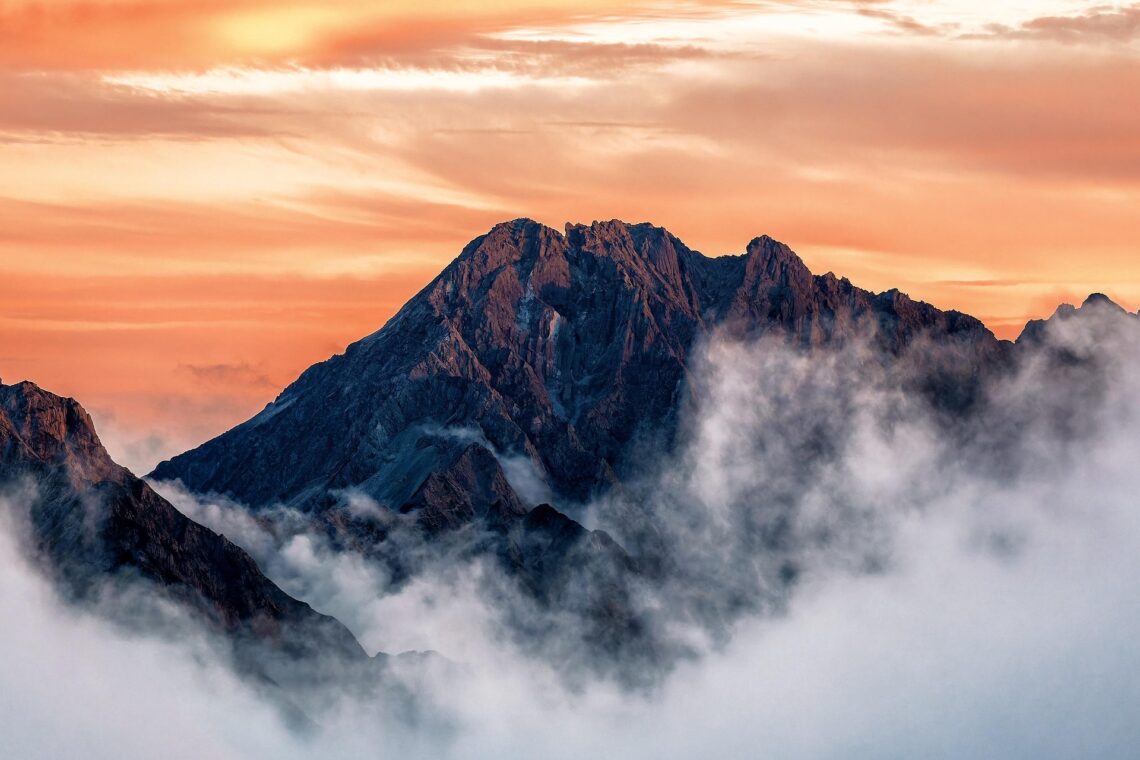
The first morning, I walked out of Namche and the clouds pulled back to show a wall of white peaks I did not have words for. Tengboche monastery, where I sat in the cold and listened to monks chanting and felt, oddly, completely at peace. The suspension bridges strung with prayer flags, swaying over rivers the color of glacier melt.
And then Kala Patthar at sunrise, the viewpoint most trekkers climb for the best look at Everest itself. I stood there in the dark, freezing, watching the first light hit the summit and turn it gold. I cried a little. I am not usually a crier.
A beach gives you rest. This gave me something else. Perspective, maybe. The feeling of being very small in a very old landscape, and being okay with it.
When to Go and What It Feels Like Up There
The two best windows are spring, roughly March to May, and autumn, roughly late September to November. Spring brings blooming rhododendrons and slightly warmer days. Autumn brings crisp, clear skies and the sharpest mountain views of the year. I went in autumn, and the visibility was unreal.
Avoid the summer monsoon, when clouds and rain hide the very peaks you came for, and deep winter, when the cold turns serious and some teahouses close.
And yes, it is cold up high, colder than anything a beach person is used to. But the cold becomes part of the story rather than the enemy of it. There is something wonderful about coming in from a frozen trail, peeling off your layers, and warming your hands on a mug of ginger tea while snow drifts past the window.
What a Beach Lover Should Pack and Expect
You will need to think in layers instead of swimsuits. A few things I would not go without:
- A warm down jacket and thermal base layers
- Broken-in hiking boots, never brand new ones
- A quality sleeping bag rated for cold nights
- A refillable water bottle and purification tablets
- Sunscreen and lip balm, because high-altitude sun is fierce even in the cold
And a few honest expectations. The teahouses are basic and get more basic the higher you go. Hot showers become a luxury and then a memory. The wifi is slow and often not worth the charge. Your legs will ache. Some nights you will sleep badly because of the altitude.
None of that ruined it. If anything, stripping life down to walking, eating, and sleeping was its own kind of vacation. The same way a beach makes you forget your phone, the mountains make you forget you ever cared.
If you fall in love with the region and want more than the standard route, the nearby Gokyo Lakes trek adds a string of stunning turquoise glacial lakes and, for once, gives a water lover something to swoon over at altitude.
Is the Everest Base Camp Trek Worth It?
For a beach person who has never done anything like it? Absolutely, yes.
It is worth it if you want a trip that changes how you see yourself, not just how relaxed you feel. It is worth it if you have ever suspected that your comfort zone was getting a little too comfortable. And it is worth it if some part of you, buried under all that sunscreen, has always wondered whether you could.
It is probably not for you if you truly cannot walk for hours or if the idea of a cold, simple bed sounds miserable rather than charming. Know yourself. But do not count yourself out just because your passport is full of beaches.
The Escape I Didn’t Know I Needed
I still love the ocean. I will always go back to the sea. But I will also go back to the mountains, because they gave me something the beach never could.
So here is my nudge to you. Keep your island trips. Keep your slow mornings by the water. And then, once, add this to your escape list and go trek to Everest Base Camp. Let a different kind of paradise surprise you.
When you are ready to start planning the real thing, the team at Magical Nepal can help you turn the daydream into an actual itinerary. That is exactly how mine began, with one email and a lot of nervous excitement.
The plane ticket is waiting. It is just pointed at the mountains this time.


You May Also Like
The Top 29 Things I Learned From My Travels
From City to Serenity: How to Plan a Perfect Trip to Panama