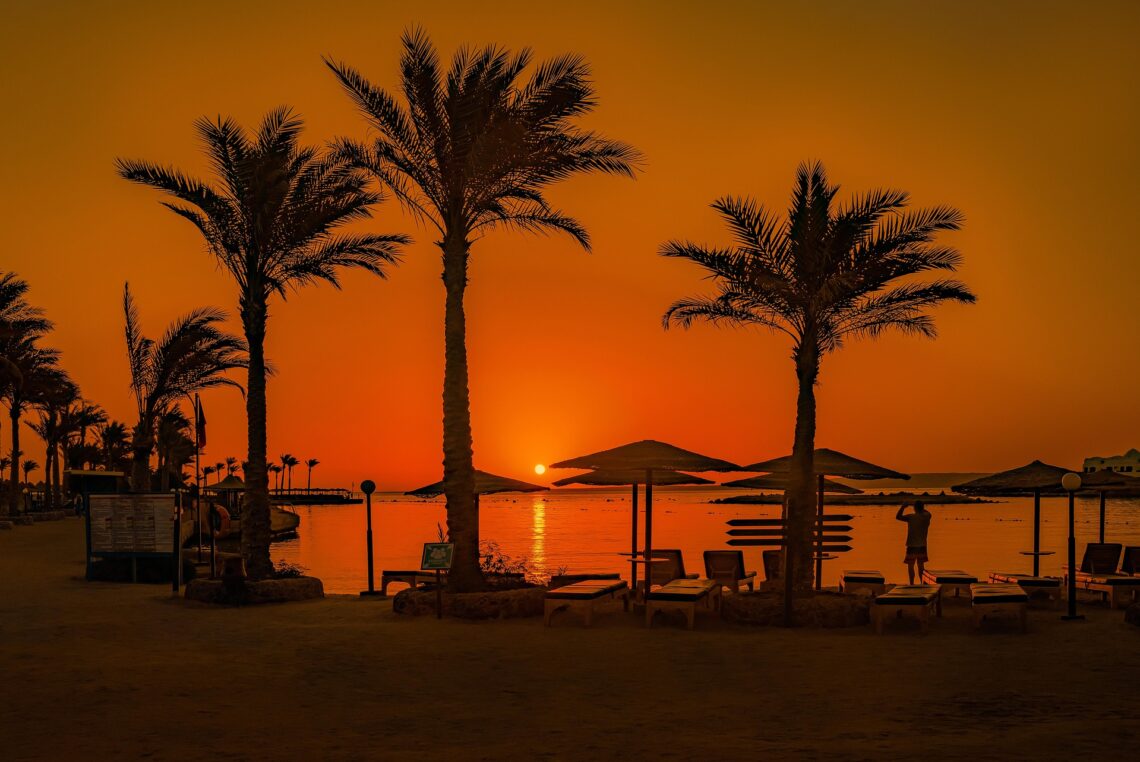
Beach at Sunrise, Pyramids by Noon: A Day Across Egypt
The day can begin with the Red Sea still reflecting the first light and end with the memory of pyramids rising from the desert outside Cairo. Few journeys in Egypt create such a dramatic change of scenery in such a short period: peaceful resort gardens give way to airport gates, ancient stone replaces turquoise water, and the relaxed rhythm of Hurghada suddenly becomes the movement and energy of the capital. A successful day between the two cities is not about proving how many attractions can be visited before the return flight. It is about choosing a handful of experiences carefully enough that each one feels distinct, meaningful, and worth the early start.
Build the Journey Around One Unforgettable Moment
A one-day visit to Cairo works best when the schedule has a clear center of gravity. Instead of opening a map and trying to connect every famous attraction, decide which experience would justify leaving the Red Sea for the day even if the rest of the itinerary had to be simplified. For most first-time visitors, that answer is the Giza Plateau, where the scale of the pyramids and the surrounding desert create an experience that is difficult to reproduce anywhere else in Egypt.
Once Giza becomes the priority, the rest of the program can support it rather than compete with it. A carefully designed Cairo Day Trip from Hurghada by Air makes most sense when the flight schedule protects the strongest sightseeing hours and leaves enough breathing room for a museum, lunch, and one lighter cultural experience afterward. The advantage of flying is therefore not simply reaching Cairo faster; it is preserving the energy and time needed to experience the capital with some perspective instead of spending the majority of the excursion on the road.
This approach immediately changes the quality of the itinerary. Rather than seeing Cairo as a checklist with ten competing stops, the day becomes a sequence of contrasting experiences: monumental archaeology in the morning, historical detail in a museum, a slower meal, and perhaps a brief encounter with the living city before returning to Hurghada.
Give Giza Enough Time to Feel Monumental
Start With Scale, Not Speed
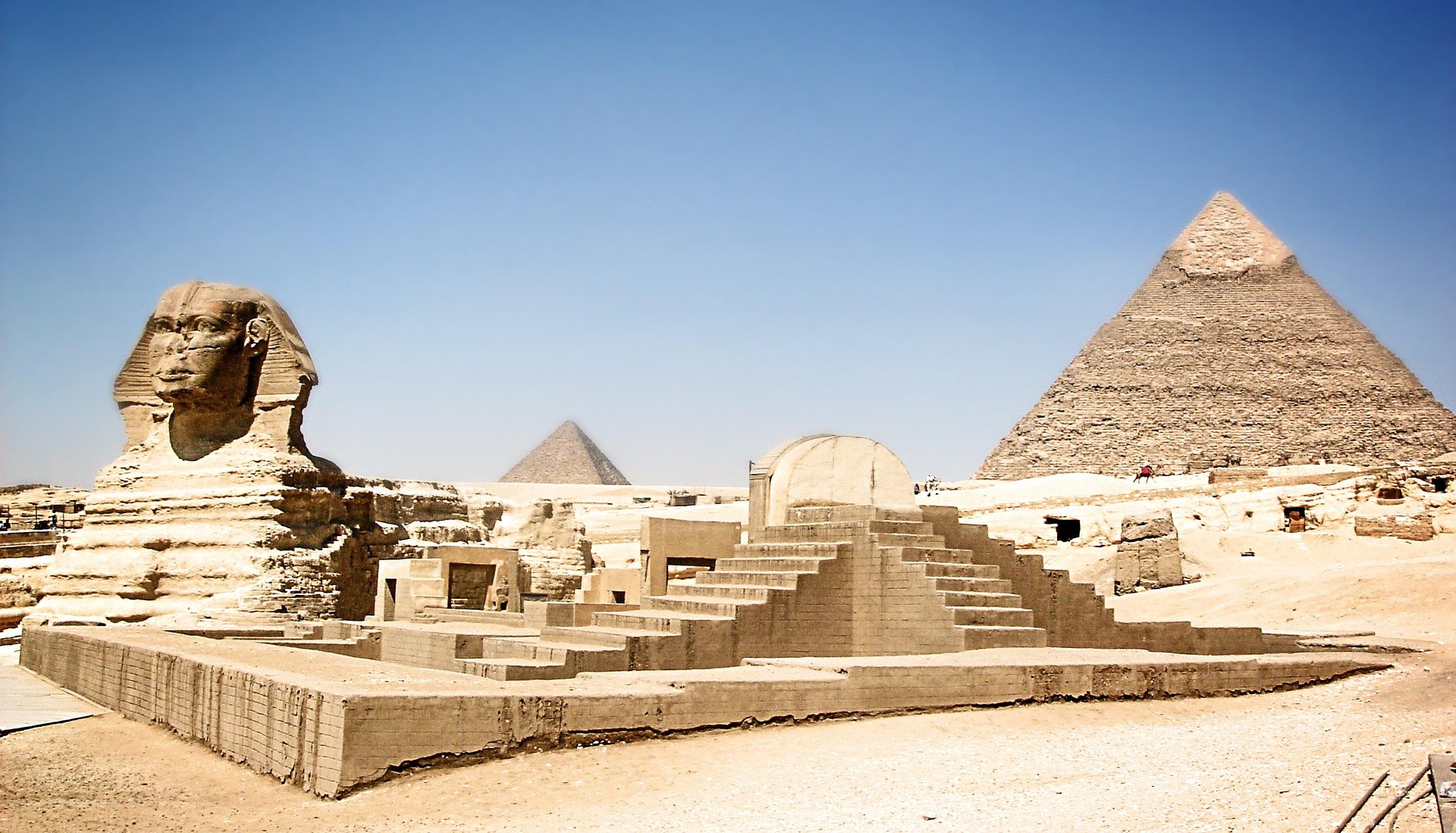
The first sight of the pyramids is often familiar and surprising at the same time. Travelers may have seen the Great Pyramid in photographs for decades, yet standing close to its enormous limestone blocks creates a completely different sense of proportion. The surrounding plateau also makes it clear that Giza is not a single monument but a wider archaeological landscape containing several pyramids, tombs, temples, causeways, desert viewpoints, and the Great Sphinx.
That wider context deserves time. Moving from one photo location to another without understanding how the monuments relate to one another can reduce the plateau to a sequence of images, while a slower visit reveals how architecture, geography, royal authority, and ancient beliefs were connected. A knowledgeable Egyptologist can help transform the experience from “seeing the pyramids” into understanding why Giza became one of the most important monumental landscapes of the ancient world.
Be Selective With Optional Experiences
The temptation at Giza is to add everything simply because the traveler may not return soon. Entering a pyramid, visiting several viewpoints, arranging optional rides, spending extended time around the Sphinx, and stopping repeatedly for photographs can all be worthwhile individually, but together they can consume most of the available day. A one-day itinerary therefore requires more discipline than a longer Cairo stay.
A better strategy is to identify which parts of Giza matter most personally and give those experiences adequate time. Archaeology enthusiasts may prefer deeper historical interpretation, photographers may prioritize a panoramic viewpoint, while families may need more frequent breaks and a simpler route through the plateau. Choosing deliberately is far more valuable than attempting to complete every possible activity before lunch.
Let the Afternoon Tell a Different Story
After several hours of desert scenery and monumental architecture, the itinerary benefits from a complete change of atmosphere. A museum provides that shift naturally, replacing open archaeological space with sculpture, inscriptions, funerary objects, craftsmanship, and details that help explain the people behind Egypt’s famous monuments. The difference in scale also prevents the afternoon from feeling like a repetition of the morning.
The most effective museum visit on a short excursion is focused rather than comprehensive. Large Egyptian collections can overwhelm visitors who attempt to examine every room with equal attention, especially after an active morning at Giza. Instead, concentrate on several themes—royal imagery, funerary beliefs, monumental sculpture, artistic development, or objects associated with places already seen—and allow those themes to connect with the archaeological experience outside.
Use the Museum to Connect People With Monuments
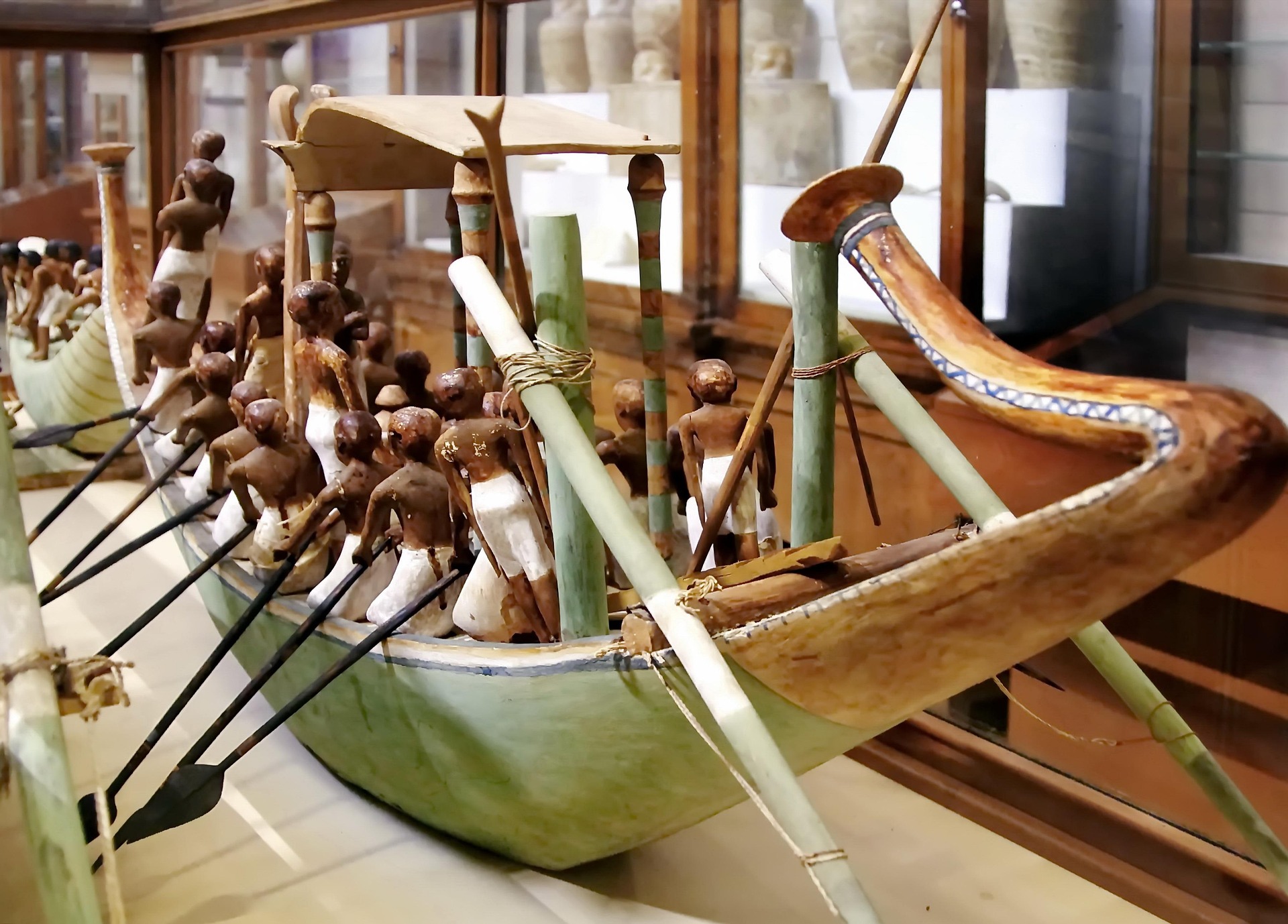
The pyramids naturally emphasize scale and architecture, but museum objects restore the human dimension of ancient history. A carved face, piece of jewelry, household object, coffin, statue, or inscribed stone can reveal artistic decisions and beliefs that are easy to overlook when surrounded by monumental structures. This contrast is one of the reasons pairing Giza with a museum works so well during a short visit.
It also gives the day a clearer narrative. The morning introduces what ancient Egyptians built on an extraordinary scale; the afternoon shows how they represented rulers, imagined the afterlife, decorated objects, recorded religious ideas, and expressed identity through craftsmanship. Instead of two unrelated attractions, the pyramid plateau and museum begin to feel like parts of the same story.
Do Not Treat Lunch as Lost Sightseeing Time
A tightly scheduled excursion can make a proper meal feel inefficient, yet lunch often determines whether the second half of the day remains enjoyable. After walking in the sun and absorbing a large amount of historical information, sitting down for a relaxed meal gives both the body and mind time to reset. Without that pause, travelers may reach the museum already tired and remember less of what they see.
Food also introduces Egypt through another sense entirely. Koshari, ta’ameya, grilled meats, stuffed vegetables, fresh bread, molokhia, or traditional sweets can become part of the cultural experience rather than merely a break between monuments. The meal does not need to become a lengthy culinary tour; it simply needs enough time to feel like part of the journey instead of something hurried in transit.
Give Cairo One Chance to Feel Alive
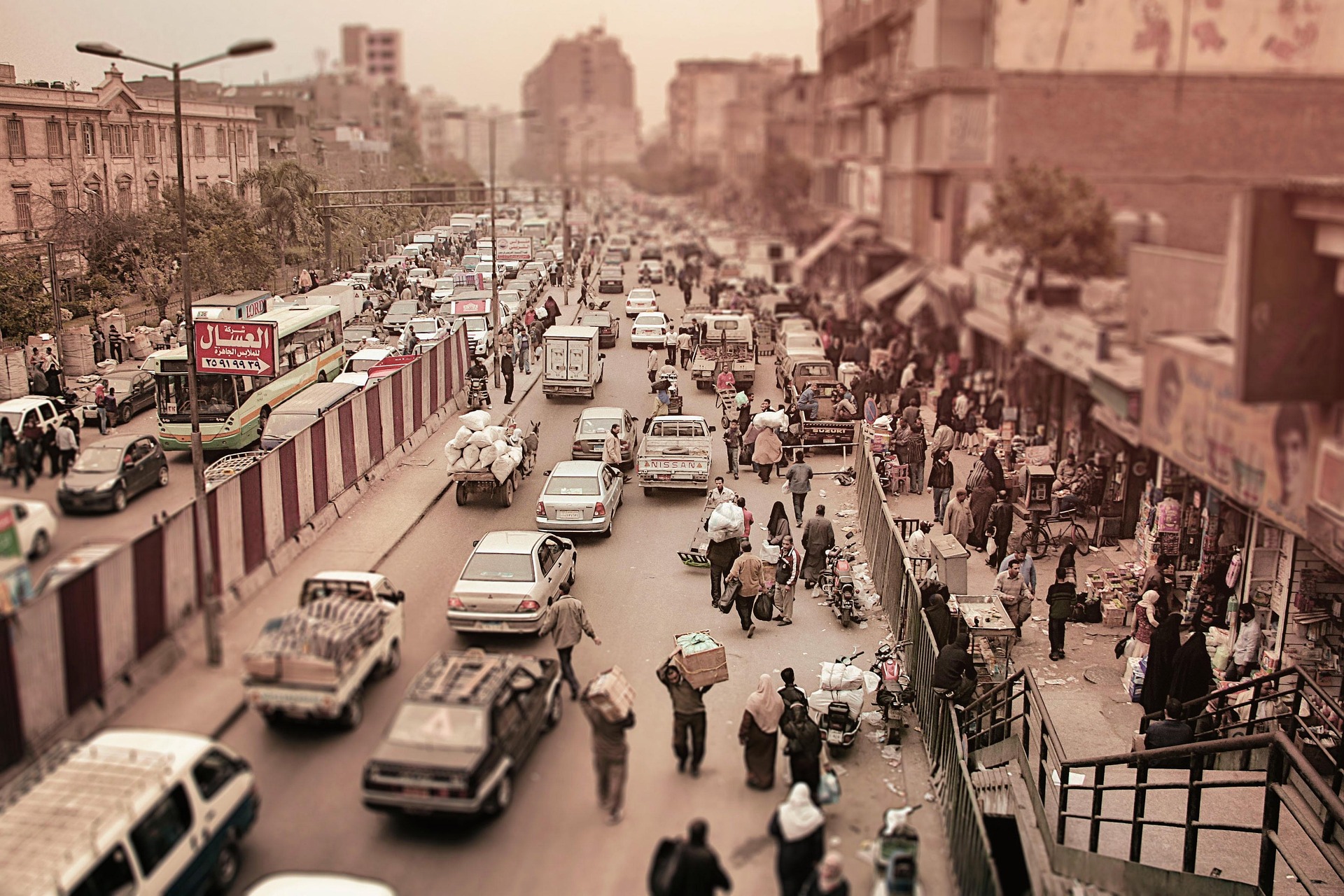
A pyramid and a museum can explain a great deal about ancient Egypt, but neither can explain what Cairo feels like today. The capital is noisy, layered, social, architectural, religious, commercial, and constantly moving, so adding one short street-level experience gives the day a dimension that ancient sites alone cannot provide. This final cultural element should be lighter than the morning and flexible enough to remove if traffic or flight schedules change.
Depending on timing, a traveler might choose part of Historic Cairo, a brief visit around Khan El Khalili, a traditional café, a short walk near important Islamic monuments, or a Nile-side stop before heading back toward the airport. The objective is not to add another major attraction but to create a moment in which Cairo feels like a living city rather than a historical destination viewed entirely through monuments and glass cases.
 Why Contrast Makes a Red Sea Holiday Stronger
A resort holiday has its own rhythm, and that rhythm is one of Hurghada’s greatest strengths. Days may revolve around breakfast overlooking the water, swimming, snorkeling, diving, beach time, long lunches, and quiet evenings, creating the kind of relaxation many travelers deliberately seek after a busy working year. Repeating that pattern is not a problem, but introducing one dramatically different day can make the quieter days feel even more valuable afterward.
This is where carefully selected Egypt tours can add contrast rather than simply add activity. A cultural excursion to Cairo introduces monumental history and urban energy into a holiday otherwise shaped by the Red Sea, while returning to Hurghada afterward restores the calm that made the destination attractive in the first place. The change in atmosphere is the value: the vacation becomes more varied without needing to become permanently busy.
A balanced Red Sea stay might therefore combine:
- Resort days with no fixed program
- Snorkeling or diving
- One desert-based experience
- A cultural excursion to Cairo
- A completely free recovery day afterward
- Additional activities only when they add something genuinely different
This type of pacing creates variety while preserving the feeling of being on holiday.
Structure the Day in Phases Instead of Minutes
Exact timing will always depend on flight schedules, traffic, operating hours, and the chosen attractions, so building the excursion around phases is often more realistic than trying to control every fifteen-minute block. Each part of the day should have a clear purpose, and the itinerary should retain enough flexibility to shorten the least important stop if an unexpected delay occurs.
1. Transition From Hurghada
The day begins early, so preparing clothing, documents, camera equipment, medication, and a small bag the evening before helps keep the departure simple. The goal is to reach Cairo ready to begin sightseeing rather than already feeling disorganized or tired from the airport process.
2. Make Giza the Main Event
The strongest morning hours belong to the pyramids. Prioritize the Great Pyramid, Sphinx, historical interpretation, and one or two viewpoints rather than sacrificing the quality of the experience for additional stops elsewhere.
3. Create a Real Midday Break
Lunch separates the physically active morning from the more concentrated museum visit. A proper pause protects energy and makes the day feel like a journey rather than a continuous sightseeing sprint.
4. Add Historical Detail
Use the museum to deepen what Giza introduced. Focus on selected objects and themes rather than attempting to understand thousands of years of Egyptian history in a single afternoon.
5. End With the Living City
If traffic and flight schedules allow, use the final part of the visit for Historic Cairo, a market, a café, or a Nile-side experience. Keep this portion flexible so it can expand or contract without threatening the return flight.
6. Return to the Red Sea
The journey back to Hurghada completes the visual contrast of the day. Dense streets, ancient stone, and museum galleries gradually give way again to open water, resort lights, and desert mountains.
Pack for Movement Rather Than a Full Journey
Because the excursion combines flights, outdoor walking, museum visits, vehicle transfers, and city sightseeing, carrying less usually makes the day easier. A small, well-organized bag avoids unnecessary delays and allows travelers to move comfortably between very different environments.
Useful items include:
- Passport or required identification
- Comfortable walking shoes
- Sunglasses and sun protection
- Lightweight clothing
- A light extra layer for air-conditioned spaces
- Small day bag
- Portable charger
- Essential medication
- Reusable water bottle where practical
- Scarf or modest additional layer
- Camera or phone with sufficient storage
The key is versatility. Everything carried should serve a clear purpose during the day.
Know When One Day Is Enough—and When It Is Not
A flight-based excursion works extremely well for visitors whose principal holiday remains in Hurghada and whose main goal is to experience Giza and a concentrated introduction to Cairo. It offers the satisfaction of seeing the capital without requiring another hotel check-in or taking several nights away from a Red Sea vacation.
However, travelers whose interests extend deeply into Islamic architecture, food, museums, Saqqara, Dahshur, Coptic Cairo, nightlife, or contemporary neighborhoods should consider spending longer in the city. A day trip is most rewarding when expectations match what a single day can reasonably provide; it is an introduction to Cairo rather than a substitute for a full city stay.
A same-day journey tends to suit:
- First-time visitors
- Couples combining culture and beach relaxation
- Travelers with limited vacation time
- Families comfortable with an early start and long day
- Visitors whose highest priority is Giza
- Resort guests who want one major cultural contrast
A longer stay becomes more appropriate when depth matters more than convenience.
Protect the Final Hours Instead of Filling Them
The last part of the excursion often determines whether the day ends with excitement or fatigue. If every minute has already been assigned to a major attraction, even a minor traffic delay can turn the afternoon into a stressful attempt to recover lost time. Leaving some flexibility is therefore not a sign of weak planning; it is one of the most practical decisions that can be made in a city of Cairo’s scale.
If the day is running smoothly, the final hours can support a café, market, historic street, or Nile-side stop. If travel has taken longer than expected, that lighter experience can be shortened without damaging the core journey. Giza and the museum have already delivered the historical foundation, so the final activity should remain a bonus rather than a source of pressure.
 Return to a Completely Different Horizon
Hurghada feels different after a day in Cairo. The Red Sea, which seemed like the entire setting of the vacation that morning, becomes one side of a country capable of shifting dramatically between water, desert, archaeology, dense urban streets, medieval architecture, and monumental history within a surprisingly short distance.
The strongest memory may ultimately be the transition itself. Morning began with the sea, midday belonged to the pyramids, the afternoon added ancient faces and objects inside museum galleries, and evening returned the traveler to the coast with a completely different understanding of Egypt’s scale and variety.
One day will never reveal all of Cairo, and attempting to make it do so only weakens the experience. A carefully paced excursion succeeds for a different reason: it chooses several powerful moments, gives them enough space to remain separate in memory, and then returns to the Red Sea before the journey begins to feel like a race.


You May Also Like

Trapped In Asia: How It Took Me 2 Credit Cards, 5 ATM Machines, 4 Travel Agents, And A Bike Ride Through Horse Dung To Buy A Plane Ticket

Why I Thought Marrakech Was Hell On Earth (And 8 Reasons Why You Should Still Go)
