Small Ship vs. Large Ship: Which Nile Cruise Suits First-Timers?
Book a Nile cruise for the first time, and you’ll hit the same wall almost immediately: half the articles insist a tiny sailing boat is the only real way to see Egypt, while the other half push a floating hotel with a pool and a spa. Both are describing the same stretch of the Nile River between Luxor and Aswan, and both are right for somebody, just not necessarily for you.
Before going further, one clarification saves a lot of confusion. A large ship on the Nile River does not mean anything close to an ocean megaship. There’s no rock-climbing wall, no ice rink, no 4,000 strangers. It means a conventional river vessel carrying anywhere from around 50 to over 100 passengers, compared with a much smaller Dahabiya or boutique boat carrying a fraction of that.
This guide compares three real options: a Dahabiya or traditional sailing vessel, a boutique motor vessel, and a conventional full-service Nile cruise ship across comfort, cultural access, pace, cost, facilities, and traveler personality. No universal winner. Just a framework for figuring out which one removes the friction points that would actually bother you.
What Counts as a Small or Large Nile Cruise Ship?

A lot of current articles throw around Dahabiya, felucca, boutique, and cruise ship as if they’re interchangeable. They’re not, and mixing them up is exactly how first-timers end up booking the wrong trip.
Here’s the real breakdown:
Dahabiya:
It is a small, traditionally styled sailing vessel with a limited number of cabins and a genuinely communal atmosphere; meals, deck time, and conversation happen together, not in shifts.
Boutique:
It is a vessel that carries fewer guests than a standard ship while still offering hotel-style cabins, air conditioning, and proper facilities.
Conventional Nile cruise ship:
It typically carries anywhere from several dozen to more than 100 passengers, running on a structured, published schedule.
Because capacity, cabin design, and published routes vary even within the same category, first-time travelers should compare Nile cruise ships by vessel style, duration, and itinerary before focusing on decorative labels such as deluxe or luxury, which get applied pretty loosely across very different vessels.
Why Capacity Alone Does Not Define the Experience
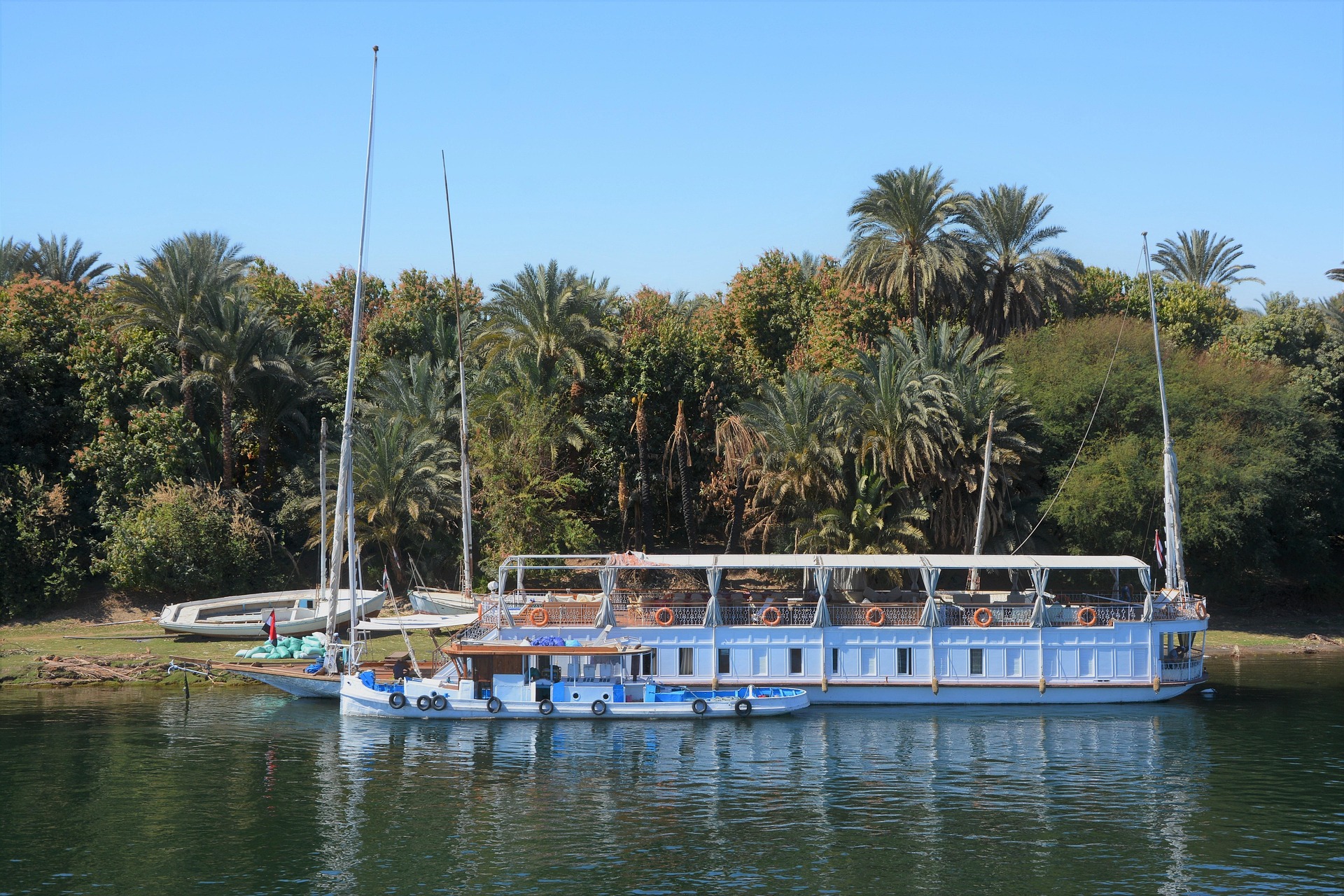
Two ships with near-identical passenger numbers can feel entirely different in practice. What actually shapes the experience:
- Number and size of public areas
- Sun-deck layout and shade
- Dining-room configuration
- Cabin distribution across decks
- Excursion group size
- Crew deployment
- Docking schedule
- Full occupancy versus actual occupancy on your specific sailing
Here’s the detail most comparisons skip: cabin count and maximum passenger capacity aren’t the same thing as your shore excursion group size. A 70-passenger vessel might split guests into three or four smaller groups for temple visits, each with its own Egyptologist. A smaller ship, meanwhile, might move every single guest together as one unit, which sounds intimate until you’re standing in a scrum at the entrance to Karnak Temple with nowhere else to go.
Small Ship vs. Large Ship: The Experience Compared
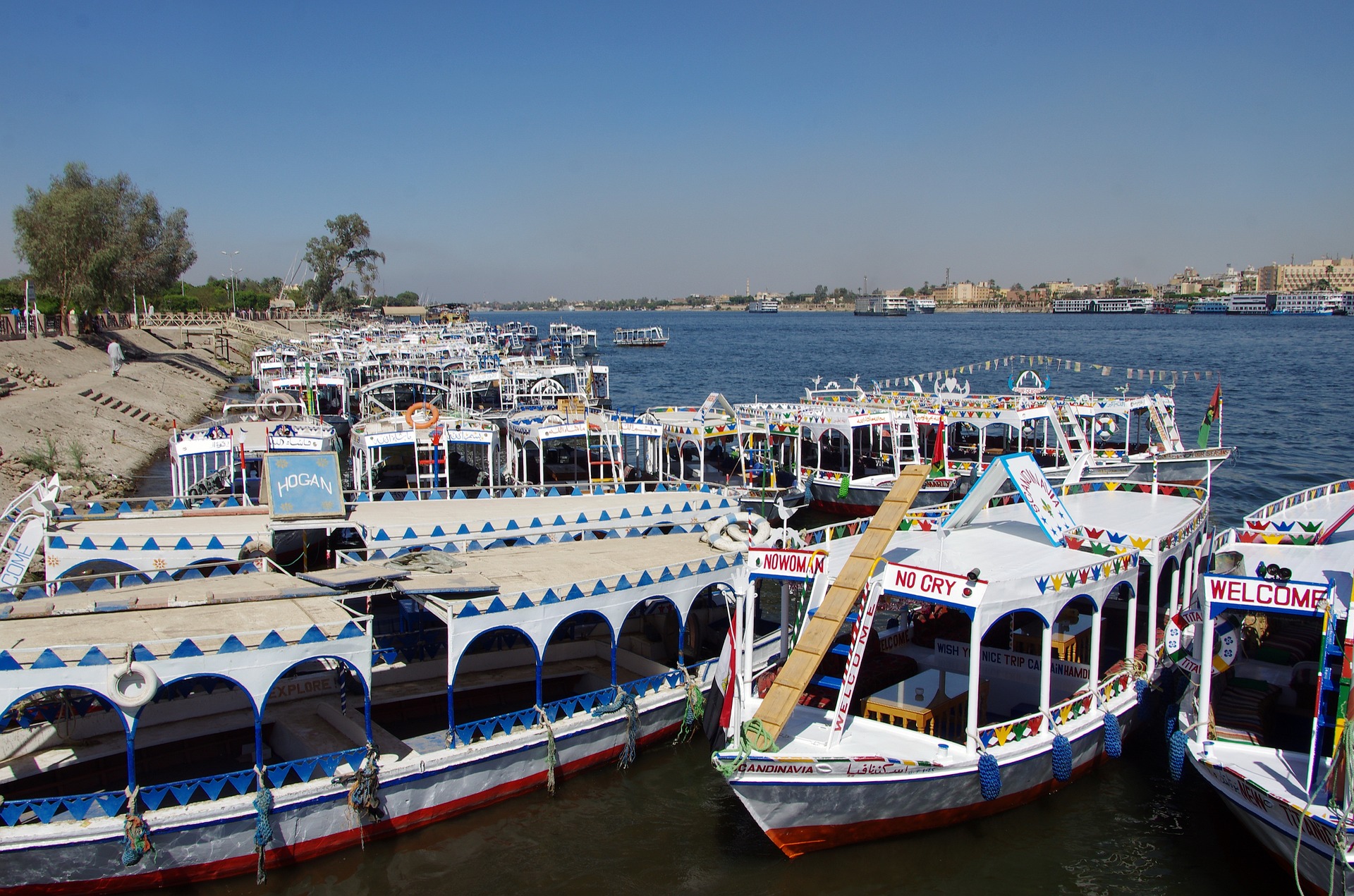
First-timers should size up each vessel across six areas:
| Factor | Small vessel | Larger vessel |
| Atmosphere | Intimate and quieter | Social and hotel-like |
| Facilities | Limited but personal | More extensive |
| Schedule | Potentially slower or flexible | More structured |
| Excursions | Smaller groups possible | Organized group touring |
| Dining | Communal or limited-choice | Larger restaurant and broader selection |
| Accessibility | Varies considerably | More likely, but never guaranteed |
Atmosphere, Privacy and Social Life
Small ships tend to mean fewer passengers, easier interaction with staff, and quieter decks. Larger ships tend to offer more social variety, several lounges to choose between, evening entertainment, and more freedom to disappear if you want a break from company.
Here’s the nuance most comparisons miss: an intimate Dahabiya can feel socially intense precisely because you’re dining and touring with the same small group every day. A larger vessel can, somewhat paradoxically, offer more personal space.
Cabins, Pools, Spas and Onboard Comfort
Skip the star ratings and check the specs directly: cabin dimensions, window type, air conditioning, bathroom configuration, pool, shade on the sun deck, spa access, elevator availability, Wi-Fi, and dietary flexibility in the kitchen. It also pays to understand what all-inclusive really means on a small ship, since drinks, gratuities and excursions are not always treated the same way.
Itinerary Flexibility, Docking and Temple Access
Nearly every first-time itinerary follows the broad Luxor–Aswan route, but vessel type shapes the pace and stops. If you’re starting in Luxor, compare each nile cruise from luxor by vessel type and number of nights. Smaller vessels may begin or end at Esna rather than central Luxor, sometimes calling at islands, villages, or sites that don’t appear on the standard motor-ship schedule, and moving at a generally slower rhythm. Larger vessels usually follow established schedules, build excursions around fixed docking windows, and offer predictable embarkation, though they sometimes moor several ships deep at busy points.
Guiding and Shore Excursions
The shore experience can matter more than the ship itself. Worth confirming before booking: whether excursions are included, whether the Egyptologist is private or shared, maximum group size, whether entrance tickets are included, how you get from dock to site, how much time is allotted per monument, and whether any premium tombs in the Valley of the Kings carry separate tickets. Older travelers, or anyone who values a guide-led pace, can also compare how Egypt group tours for seniors are organized.
Sustainability: Look Beyond Ship Size
It’s tempting to assume a small sailing vessel is automatically the more responsible choice, but size alone doesn’t prove sustainable operation. What actually matters is how a specific vessel handles waste and wastewater, how much fuel or towing support it uses to keep to schedule, whether food and staffing are sourced locally, and how it manages water use for laundry and cleaning on a river that supports both wildlife and riverside communities.
A large ship with modern wastewater treatment and a strong local-hiring policy can outperform a small Dahabiya cutting corners on waste disposal, and vice versa. Rather than picking a vessel type on the assumption that smaller is greener, ask any operator directly about their waste handling and local sourcing practices before booking.
The First-Timer’s Nile Cruise Decision Framework
Answering these in order tends to make the right vessel type obvious:
- How much do you want quiet intimacy versus a social hotel atmosphere?
- How important are a pool, spa, elevator, and multiple lounges?
- Do you prefer flexible pacing or a fixed schedule?
- Do you want private guiding or are you fine with a group?
- How many cruise nights do you want?
- Which sites are non-negotiable?
- What’s genuinely included in the final price?
- Has the exact vessel been guaranteed in writing?
- Does the ship meet your accessibility or family needs?
- What do recent, ship-specific Nile River cruise reviews actually say?
Which Category Is More Likely to Suit You?
Tick a box for each preference that matters to you. These reflect general tendencies rather than guarantees; always verify against the specific vessel you’re considering.
| Preference | Small ship | Larger ship |
| Quiet atmosphere | ✓ | |
| Broad onboard facilities | ✓ | |
| Flexible or slower pace | ✓ | |
| Predictable schedule | ✓ | |
| Fewer fellow passengers | ✓ | |
| More cabin categories | ✓ | |
| Village or minor-site stops | ✓ | |
| Private charter potential | ✓ | |
| Greater likelihood of elevator access | ✓ |
Mostly small-ship ticks suggest starting your research with a Dahabiya or boutique vessel. Mostly large-ship ticks point toward a premium conventional ship. A near-even split usually means a boutique motor vessel, lower capacity but still hotel-style comfort, is your best starting point.
What to Verify Before Booking Any Nile Cruise Ship
Whatever you land on, confirm in writing: the exact vessel name, current deck plan, cabin category and dimensions, window or balcony type, maximum passenger capacity, cruise nights versus total package nights, embarkation and disembarkation points, included archaeological visits, group size and guide arrangement, entrance fees, meals and gratuities, Wi-Fi and accessibility details, the vessel-substitution clause, cancellation conditions, and the date of the most recent reviews. If your trip begins in the capital, a Nile River Cruise from Cairo changes your embarkation point and total package nights, so check both before you commit.
An Egypt-based specialist such as Nile Cruise Holiday can help travelers compare published vessel categories, routes and cruise durations, but the exact ship, cabin and substitution terms should still be confirmed in writing.
Final Verdict: Small and Large Nile Cruise Ships Suit Different First-Timers

Choose a Dahabiya or boutique vessel when quiet, intimacy, slower travel, and smaller groups matter more to you than a packed amenities list. Choose a larger full-service ship when facilities, a predictable schedule, cabin choice, and a social atmosphere are what you’re after. Choose a boutique motor vessel when you’re somewhere between those two answers.
The right move isn’t chasing the smallest ship, the largest ship, or the most expensive one; it’s choosing the vessel whose documented, verifiable experience removes the specific compromises that would bother you. Everything else is marketing language dressed up as a recommendation.


You May Also Like
From City to Serenity: How to Plan a Perfect Trip to Panama

White Knuckles-Surviving Scary Situations And Letting Go of Fear
