What All Inclusive Really Means on a Small Ship in the Caribbean
“All inclusive” might be the most stretched phrase in travel. At a beach resort, it can mean unlimited buffet and watered-down rum punch. On a big cruise ship, it often means a base fare plus a stack of packages you buy later.
On a small ship, the phrase can mean something very different. Sometimes it means almost everything. Sometimes it means a lot less than you think.
If you’re eyeing a Caribbean sailing this winter, it pays to know which is which. The prime season runs after the Atlantic hurricane season officially ends on November 30, so this is exactly when people start comparing fares.
Here’s what to look for, island by island and line by line.
1. A Small Ship Plays by Different Rules
“Small” in cruising usually means a few hundred guests instead of several thousand. That changes everything about the experience.
You won’t wait in line for a tender for an hour. You won’t fight for a sun lounger. And the crew will probably know your name by day two.
Small doesn’t mean less regulated, either. Any ship carrying 13 or more passengers on a foreign itinerary with U.S. ports falls under the CDC’s Vessel Sanitation Program. That covers most Caribbean departures from Florida or San Juan.
The real advantage is access. Smaller ships can slip into harbors the megaships skip. Think quiet bays in the British Virgin Islands, small Grenadine anchorages, or a morning docked steps from a colorful old town.
2. What an All-Inclusive Fare Really Covers
This is where the fine print matters.
If you’re shopping for the best luxury cruise deals, the smartest move is to read what the all-inclusive fare actually bundles, not just the price at the top. Silversea’s All-Inclusive fare is a useful example of how the luxury end defines it. On its classic voyages, the fare covers:
- Butler service for every suite
- Unlimited champagne, spirits and up to 50 wines
- An in-suite bar stocked with your preferred drinks
- Up to six dining options, plus 24-hour in-suite dining
- Onboard gratuities, port taxes and fees
- Wi-Fi
There’s also nearly one crew member for every guest. That ratio is what makes the service feel personal rather than processed.
Compare that with a mainstream line, where drinks, tips, Wi-Fi and specialty restaurants are often sold as separate add-ons. On paper, the big-ship fare looks cheaper. By the end of the week, the gap can shrink fast.
3. What It Usually Leaves Out
Even the most generous fare has edges. Know them before you board.
Shore excursions. On many luxury fares, including the one above, excursions are bought separately. You choose only the ones you want, which some travelers actually prefer.
Flights and hotels. Getting to the ship is usually extra. Lines often let you add air, hotel nights and transfers to the booking, but they’re not automatically included.
Spa treatments. Access to the sauna or steam room may be included. The massage usually isn’t.
Deposits and flexibility. Some all-inclusive fares come with a non-refundable deposit. Read the cancellation terms carefully, especially during the shoulder months.
Premium extras. Rare vintages, boutique shopping and private guides typically sit outside the bundle.
None of these are deal breakers. They just mean “all inclusive” works best when you know where the line is drawn.
4. Where the Small Ship Earns Its Keep in Port
This is the part that never shows up in the fare comparison.
A small ship can put you in the right place at the right time. Arrive early at St. John, and you’re steps from trails and beaches. The national park covers about 60% of the island, so much of what you see is protected land and water.
Shorter tender lines mean more hours ashore. More hours ashore mean you can actually snorkel, eat lunch at a beach shack and still make it back without rushing.
Evenings feel different too. Some small ships linger in port after dark, so you can watch the sunset from a beach bar instead of the pool deck. On an all-inclusive fare, you’ll come back to a stocked bar in your suite anyway.
Shopping is another quiet perk, especially for U.S. travelers. Returning from the U.S. Virgin Islands, residents get a duty-free exemption of up to $1,600, a bigger allowance than most foreign stops get. Good news if you’ve been eyeing local rum or jewelry.
5. How to Do the Math Before You Book
Here’s an easy way to compare fares honestly.
Start with the fare per person. Then, for any cruise that isn’t fully inclusive, add what you’d realistically spend each day on:
- Drinks, including coffee and bottled water
- Gratuities
- Wi-Fi
- One or two specialty dinners
Multiply that by the number of nights and add it to the base price. Now compare.
Do the same exercise with excursions. If you’re the type who likes to wander independently, a fare without included tours may save you money. If you want a guided outing in every port, check how much those add up to.
The goal isn’t to find the cheapest number. It’s to find the one that won’t surprise you on the final bill.
6. Questions Worth Asking Before You Book
Before you put down a deposit, get clear answers to these:
- Are gratuities included, or just “suggested”?
- Is the Wi-Fi unlimited, or capped per device?
- Which drinks are included, and which are “premium”?
- Are shore excursions included, discounted or fully extra?
- Is the deposit refundable, and until when?
- Does the ship dock in port, or will you tender ashore?
A good travel advisor or cruise line rep will answer all six without hesitation. If they can’t, that tells you something too.
Final Thoughts
On a small ship in the Caribbean, all inclusive can be wonderfully simple. No tab, no tipping math, no signing for every cocktail at sunset.
But it only feels that way if you understand the fare before you sail. Read the inclusions, know the exclusions and do the math once at home. Then you can spend the trip doing what you came for: swimming, exploring and watching the next island appear on the horizon.
Have you sailed the Caribbean on a small ship? Tell me in the comments what surprised you most about the fare!
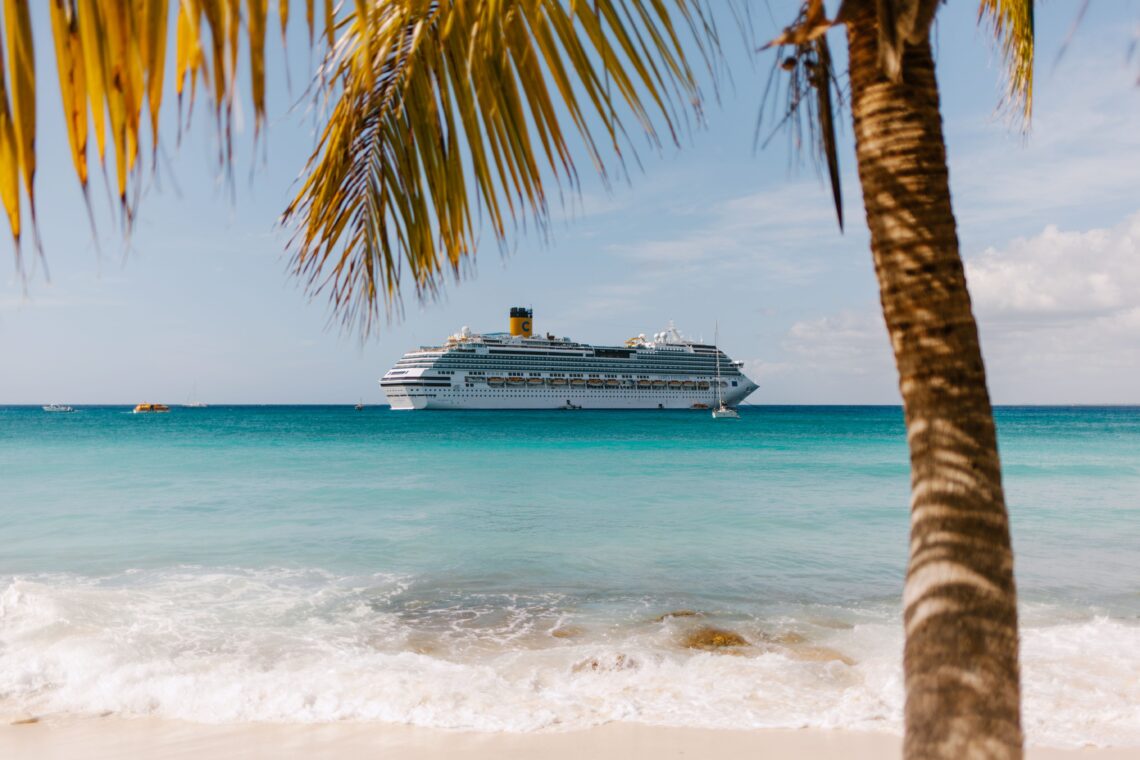
Photo by Julia Volk: https://www.pexels.com/photo/white-cruise-ship-sailing-on-the-sea-5769605/


You May Also Like

Are You Already Living Your Biggest Fear?

Hidden Culinary Gems: Extraordinary Dishes Worth Trying
