What No One Tells You About Beach Living in Dubai
The photos make it look effortless. A balcony, a turquoise sea, a skyline glowing behind the palms. Coffee at sunrise, a swim before work, sunset on the sand.
Some of that is true. A lot of it depends on where you live, when you swim and what you sign.
Dubai is also changing fast along the water. The city has only about 21 km of public beach today, and its master plan aims to grow that to 105 km by 2040. The plan also sets aside stretches for night swimming. So the beach you buy near today may look very different in a few years.
Here’s what the glossy listings tend to leave out.
Summer Changes Everything
From mid-June, the beach becomes a morning and evening thing. Midday is simply too hot for most people.
The rules reflect that. Outdoor work in direct sunlight is restricted during peak hours, from 12:30 to 3 pm, between June 15 and September 15 every year.
That has a side effect few new residents expect. Construction schedules shift around the heat, so the building site next door may start very early in the morning. If you’re a light sleeper, ask what’s being built nearby before you commit.
The upside? Winter is glorious. In the cooler months, beach days are the reason people fall in love with this city.
Your Dubai Property Search Should Start With the Map
Most people start with the view. Start with the map instead.
A smart Dubai property search looks at three things first: distance to the sand, what’s planned around you, and how you’ll actually get to the beach every day. Browsing listings of the most valuable properties in Dubai is a good way to see how location changes value. Developers like Binghatti, for example, list projects from Business Bay and Jaddaf Waterfront to Jumeirah Village Circle, so you can compare waterfront living with a quieter inland home a short drive from the coast.
That comparison matters. A home right on the sand usually comes with a premium. A home a short drive away might give you more space, a calmer street and the same beach on weekends.
Ask yourself how often you’ll really swim. Daily swimmers should pay for proximity. Weekend beachgoers often don’t need to.
Parking is the other quiet factor. The popular public beaches fill up fast on weekends and cool evenings, and circling for a spot gets old quickly. Living within walking distance, or near a metro or tram stop, can save you more stress than a bigger balcony ever will.
Sea View and Sea Access Are Not the Same Thing
This catches a lot of buyers and renters off guard.
A “sea view” apartment might look over the water from a high floor. That doesn’t mean you can walk out of the lobby and onto a beach. Some towers sit behind a busy road, a hotel or a private beach club.
Before you sign, check:
- Is there direct beach access, or do you have to cross a main road?
- Is the nearest beach public, private or part of a hotel?
- Is the view protected, or could a new tower block it?
- How long is the walk in summer, not in January?
A “partial sea view” can also mean a sliver of blue between two buildings. Visit in person if you can, or ask for a video taken from the actual unit.
The Water Isn’t Always What You Picture
In winter, the sea is perfect. In late summer, it can feel more like a warm bath than a refreshing swim.
Wind is the other surprise. On some days, strong winds kick up waves and haze, and lifeguards fly red flags. On those days, nobody’s swimming, no matter how close you live.
Water quality is worth checking too. The Blue Flag eco-label is run by the Foundation for Environmental Education, and Dubai has been working to bring its public beaches up to that standard. A flag on your local beach is a good sign the water, safety and facilities are being looked after.
If you have kids, look for beaches with lifeguards, shade and showers. Not every stretch of sand has all three.
And remember the dress code. Swimwear is fine on the beach, but cover up when you head to a mall, a café or the supermarket nearby.
The Sand Gets Everywhere
Beach living has a maintenance bill that nobody puts in the brochure.
Salt air is hard on metal. Balcony railings, outdoor furniture, window frames and even AC units can corrode faster near the sea. Ask how often the building does maintenance, and what that costs in service charges.
Sand and dust are constant. Expect to clean balconies and windows more often than you would inland. Many residents end up keeping the balcony furniture minimal for exactly this reason.
Humidity is real as well. Coastal areas can feel sticky in summer, and dehumidifiers become a quiet household essential.
None of this is a deal breaker. It just belongs in your budget, alongside rent or mortgage payments.
The Visa Angle Many Buyers Miss
For buyers, property can be about more than lifestyle.
The UAE offers a Golden Visa to real estate investors whose properties are worth at least AED 2 million. The property can be owned outright or financed through an approved local bank, and health insurance is part of the requirements.
That threshold changes the math for some people. A slightly bigger budget might mean long-term residency, not just a nice apartment.
Rules can change, though, so always confirm the current conditions with the relevant authority before you buy with a visa in mind.
Conclusion
Beach living in Dubai can be every bit as good as the photos. Morning swims, golden sunsets and winter days that feel like a permanent vacation are all real.
But the best version of it comes from asking the boring questions first. Where’s the beach access? What’s being built next door? How hot is that walk in August? What will salt and sand cost you each year?
Get those answers, and you won’t just have a sea view. You’ll have a beach life that actually fits the way you live.
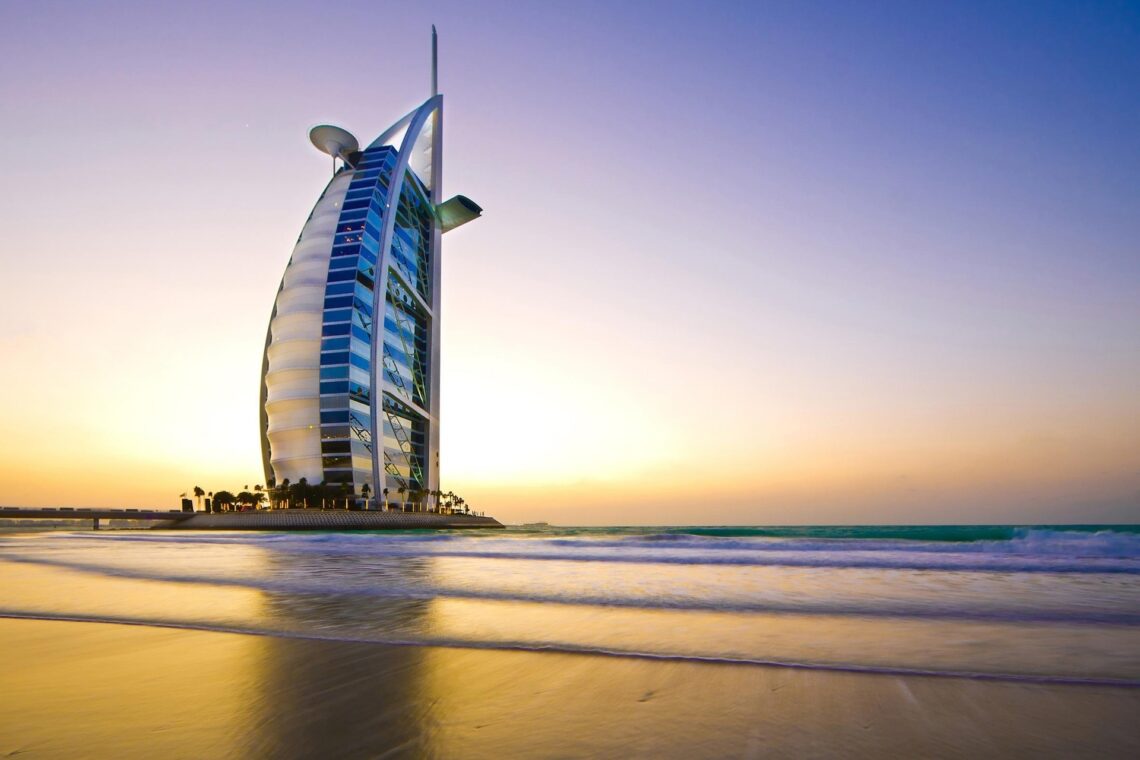
Image by keerthichn from Pixabay


You May Also Like

Castaway Resort, Koh Lipe Thailand-A True Tropical Hideway
The Osa Peninsula, Corcovado National Park